

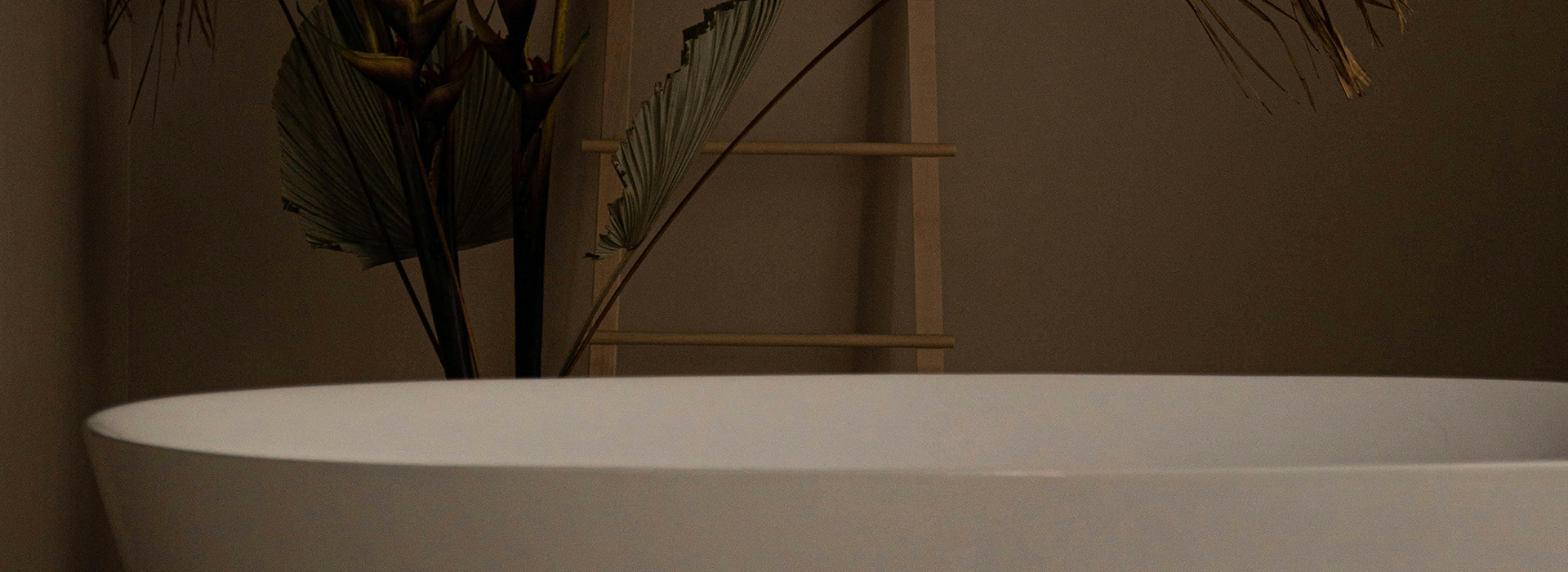
750mm Vanity Top: Embracing Eco-Friendly Bathroom Choices
Release time:
2025-01-08
Classification:
Knowledge
750mm Vanity Top: Embracing Eco-Friendly Bathroom Choices
Table of Contents
- What is a 750mm Vanity Top?
- Benefits of Using Eco-Friendly Bathroom Materials
- Types of Eco-Friendly Vanity Tops
- Designing Your Eco-Friendly Bathroom
- Choosing Sustainable Materials for Your Vanity Top
- Installation Process for 750mm Vanity Tops
- Maintenance and Care Tips for Eco-Friendly Vanity Tops
- Eco-Friendly Bathroom Accessories to Complement Your Vanity
- Frequently Asked Questions
What is a 750mm Vanity Top?
The **750mm vanity top** is a popular choice for modern bathrooms, offering an ideal balance of functionality and style. Typically designed to fit on standard bathroom vanities, this size provides ample space for sinks, toiletries, and decorative items. A 750mm vanity top can enhance your bathroom's aesthetic appeal while accommodating various design preferences.
These tops are available in various materials, including **ceramic, quartz, and reclaimed wood**, allowing homeowners to choose options that best suit their needs and reflect their personal style. Additionally, the increasing demand for sustainable living has led to the rise of eco-friendly 750mm vanity tops—options that not only look great but are also kind to the environment.
Benefits of Using Eco-Friendly Bathroom Materials
Embracing eco-friendly bathroom materials offers a multitude of advantages for both homeowners and the planet. Here are some key benefits:
1. Environmental Impact
Using sustainable materials helps reduce waste and limits the consumption of non-renewable resources. Eco-friendly vanity tops are often produced using **recycled materials**, which minimizes their carbon footprint.
2. Health Benefits
Many conventional bathroom materials can emit volatile organic compounds (VOCs), which can negatively affect indoor air quality. In contrast, eco-friendly options tend to be free from harmful chemicals, contributing to a healthier living environment.
3. Durability and Longevity
Eco-friendly materials, such as **bamboo and recycled glass**, are often more durable than traditional counterparts. Investing in high-quality, sustainable materials ensures that your vanity top will last longer, saving you money in the long run.
Types of Eco-Friendly Vanity Tops
When considering eco-friendly vanity tops, several options are available that combine style with sustainability. Here are some of the most popular choices:
1. Recycled Glass Vanity Tops
Made from repurposed glass, these vanity tops are not only visually stunning but also contribute to waste reduction. They come in a variety of colors and finishes, allowing for customizable designs.
2. Bamboo Vanity Tops
Bamboo is a fast-growing, renewable resource that makes for a beautiful and sustainable vanity top. Its natural beauty and resistance to moisture make it an ideal choice for bathrooms.
3. Solid Surface Vanity Tops
These tops are created from a blend of natural minerals and acrylic, resulting in a highly durable and customizable surface. Many manufacturers also offer eco-friendly options made from recycled materials.
4. Quartz Vanity Tops
Engineered quartz surfaces are fabricated using natural stone and resins, often incorporating recycled components. They provide a high-end appearance and durability, making them an excellent eco-friendly choice.
5. Reclaimed Wood Vanity Tops
Reclaimed wood not only adds warmth to a bathroom but also promotes sustainability by repurposing existing materials. It’s essential to treat reclaimed wood properly to ensure its longevity in a moist environment.
Designing Your Eco-Friendly Bathroom
Creating an eco-friendly bathroom requires thoughtful planning and design choices. Here are some tips to help you achieve a sustainable bathroom space:
1. Choose Water-Efficient Fixtures
Opt for low-flow faucets, showerheads, and toilets to reduce water consumption. These fixtures can significantly lower your water bill while conserving precious resources.
2. Use Non-Toxic Paints and Finishes
Select paints and finishes that are free from harmful chemicals and VOCs. Look for products labeled as “low-VOC” or “zero-VOC” to ensure a healthier indoor environment.
3. Incorporate Natural Lighting
Maximize natural light by incorporating windows or skylights. This approach reduces the need for artificial lighting and adds a refreshing ambiance to your bathroom.
4. Add Greenery
Integrating plants into your bathroom design not only enhances aesthetics but also improves air quality. Choose low-maintenance plants that thrive in humid environments, such as **peace lilies or snake plants**.
Choosing Sustainable Materials for Your Vanity Top
Selecting the right materials for your vanity top is crucial in creating an eco-friendly bathroom. Here are factors to consider when choosing sustainable materials:
1. Source Materials Responsibly
Research the origins of the materials you plan to use. Opt for products that are sustainably sourced and certified by environmental organizations.
2. Look for Certifications
Materials that carry certifications, such as FSC (Forest Stewardship Council) for wood or GREENGUARD for low emissions, offer assurance that they meet environmental standards.
3. Prioritize Recyclable Options
Choose materials that can be recycled at the end of their lifespan. This commitment to sustainability ensures that your vanity top contributes to a circular economy.
Installation Process for 750mm Vanity Tops
Installing a 750mm vanity top can be a rewarding DIY project or a professional job. Here’s a breakdown of the installation process:
1. Preparation
Start by removing your existing vanity top and cleaning the area thoroughly. Ensure that the vanity base is level and structurally sound.
2. Dry Fit the Vanity Top
Place the new vanity top onto the vanity base without adhesive to check for fit. Make any necessary adjustments before proceeding.
3. Apply Adhesive
Once satisfied with the fit, apply a strong adhesive to the top edges of the vanity base. Carefully place the vanity top onto the base, ensuring it is centered and secure.
4. Seal Joints
After the adhesive sets, seal the joints between the sink and the countertop with silicone sealant to prevent water infiltration.
5. Attach Fixtures
Install the sink, faucet, and any other fixtures according to the manufacturer’s instructions. Ensure all plumbing connections are secure and free of leaks.
Maintenance and Care Tips for Eco-Friendly Vanity Tops
Maintaining your eco-friendly vanity top is essential for its longevity and appearance. Here are some care tips:
1. Regular Cleaning
Clean your vanity top regularly with a gentle, non-toxic cleaner. Avoid harsh chemicals that can damage the surface or harm the environment.
2. Avoid Excessive Moisture
Wipe up spills promptly to prevent moisture damage, particularly with wood or laminate surfaces. Consider using coasters or trays for items that may cause water damage.
3. Refinish as Needed
For wood vanity tops, consider refinishing every few years to maintain their beauty and protect against wear over time.
Eco-Friendly Bathroom Accessories to Complement Your Vanity
To create a cohesive eco-friendly bathroom aesthetic, consider incorporating sustainable accessories:
1. Bamboo or Recycled Plastic Storage Solutions
Choose bathroom organizers and storage solutions made from bamboo or recycled plastics to keep your space tidy and environmentally friendly.
2. Organic Cotton Towels
Opt for towels made from organic cotton or other sustainable materials to reduce your ecological footprint while enjoying soft, luxurious textiles.
3. Natural or Refillable Toiletries
Use eco-friendly toiletries and consider purchasing products in bulk or refillable containers to minimize packaging waste.
Frequently Asked Questions
1. What sizes do vanity tops come in?
Vanity tops typically come in various sizes, with **750mm** being a common choice. Other sizes include 600mm, 900mm, and 1200mm, catering to different bathroom layouts.
2. How do eco-friendly vanity tops compare in price to traditional materials?
While some eco-friendly materials may initially cost more, their durability and reduced environmental impact can make them more cost-effective over time.
3. Can I install a vanity top myself?
Yes, with the right tools and preparation, many homeowners successfully install vanity tops themselves. However, if you’re unsure, hiring a professional is recommended.
4. Are eco-friendly vanity tops easy to maintain?
Yes, eco-friendly vanity tops often require similar maintenance as traditional options. Regular cleaning and care will help preserve their beauty and lifespan.
5. What are some popular colors for eco-friendly vanity tops?
Popular colors for eco-friendly vanity tops include neutral tones like white, gray, and beige, as well as vibrant hues inspired by nature, such as deep greens and earthy browns.
Conclusion
Investing in a **750mm vanity top** that embodies eco-friendly principles is a smart choice for both your home and the environment. With a plethora of sustainable materials and design options available, transforming your bathroom into a stylish, sustainable haven has never been more attainable. By prioritizing eco-friendly choices, you not only enhance your living space but also contribute to a healthier planet. Embrace the beauty of sustainable living today!
Latest information

Navigation Menu
Product World